-01.svg) SEO Services
SEO Services-02.svg) Local SEO Services
Local SEO Services-03.svg) AI SEO Services
AI SEO Services-04.svg) Technical SEO Services
Technical SEO Services-05.svg) Performance Marketing
Performance Marketing-06.svg) Social Media
Social Media-07.svg) Content Marketing
Content Marketing-08.svg) Web Development
Web Development-09.svg) App Development
App Development-10.svg) Marketing Automation
Marketing Automation-11.svg) Real Estate
Real Estate-12.svg) Ecommerce
Ecommerce-13.svg) Education
Education-14.svg) Healthcare
Healthcare B2B
B2B SAAS
SAAS Law Firm
 BFSI
BFSI Renewable Energy
 Tour and Travel
SEO Work By Industry
Brands Scaling Faster with Our Technical SEO Expertise
Technical SEO isn’t about surface-level optimizations - it’s about building a flawless infrastructure that allows search engines to crawl, understand, and rank your website efficiently at scale. At Tangence, we implement precision-driven Technical SEO strategies as part of our comprehensive SEO services that eliminate performance bottlenecks, resolve indexation issues, and strengthen your site’s ability to rank across competitive keywords.
We work with growing brands, enterprise websites, SaaS platforms, and multi-page businesses that demand clean architecture, fast performance, and error-free SEO foundations to support long-term organic growth.














What Is Technical SEO?
Technical SEO is the process of optimizing a website’s backend structure and performance to improve how search engines crawl, index, render, and rank its pages. Unlike content or link-focused SEO, Technical SEO ensures your website is search-engine accessible, fast, secure, and scalable.
It focuses on critical elements such as:- Crawlability and indexation, Website architecture and internal linking, Core Web Vitals and page speed, Mobile-first optimization, Structured data and schema markup, Duplicate content and canonicalization, JavaScript and rendering issues.
Also known as SEO infrastructure optimization or crawl optimization, Technical SEO is essential for websites with large page volumes, dynamic content, or frequent updates.
If search engines can’t efficiently access or understand your site, even the best content won’t rank - making Technical SEO the foundation of all organic growth.
Build a Scalable Search Foundation with Data-Driven Technical SEO
Technical SEO is no longer about fixing isolated issues, it’s about engineering a stable, high-performance foundation that supports long-term organic growth. At Tangence, we deliver data-driven Technical SEO strategies that transform websites into scalable search assets built for crawlability, speed, and indexation efficiency.
Every decision is powered by in-depth technical audits, crawl data, log file analysis, Core Web Vitals diagnostics, and competitive technical benchmarking. This ensures your website is accessible, understandable, and prioritized by search engines across evolving algorithms and AI-driven search systems.
In competitive digital ecosystems, even minor technical inefficiencies can block visibility, suppress performance, and limit growth. Slow load times, poor crawl paths, indexation conflicts, and unstable architecture silently prevent search engines from fully trusting and ranking your site - regardless of content quality.
Our Technical SEO services are designed to eliminate these barriers and create a resilient infrastructure that supports organic growth at scale, whether you are managing a content-heavy website, an enterprise platform, or a rapidly expanding digital property.
Below are the core outcomes our Technical SEO framework is built to deliver:
Improved Crawl Efficiency
We optimize crawl paths, internal linking, and site structure so search engines can efficiently discover, prioritize, and index your most valuable pages without wasting crawl budget.
Stronger Indexation Control
By resolving duplication, canonical conflicts, and index bloat, we ensure the right pages are indexed and ranked - improving consistency and visibility across search results.
Faster Performance & Core Web Vitals
We enhance load speed, interactivity, and visual stability to meet Google’s performance benchmarks, improving both rankings and real user experience.
Structural Stability
Our technical fixes reduce SEO volatility caused by site updates, migrations, or algorithm changes, ensuring long-term stability and predictable performance.
Better UX Signals
Clean architecture, fast pages, and mobile-first optimization improve engagement, reduce bounce rates, and support conversion-focused SEO outcomes.
Algorithm & AI Readiness
We structure websites to be easily interpreted by modern search engines and AI-driven systems, protecting visibility as search continues to evolve.
Our Technical SEO Services Features

Technical SEO Audits
Identify hidden crawl, indexation, rendering, and performance issues that limit search visibility. Our audits go beyond surface-level checks to uncover structural problems affecting how search engines access, interpret, and prioritize your website.

Core Web Vitals Optimization
Improve LCP, INP, and CLS to enhance both rankings and real user experience. We optimize page speed, visual stability, and interactivity across devices to meet Google’s performance benchmarks and reduce bounce rates.

Crawl & Indexation Control
Ensure your most valuable pages are efficiently crawled and indexed by search engines. We manage crawl budget, eliminate wasted crawl paths, and fix indexing conflicts that prevent priority URLs from appearing in search results.

Site Architecture & Links
Build scalable, SEO-friendly website structures that support growth. We optimize URL hierarchies, internal linking patterns, and navigation to improve crawl efficiency and distribute authority across key pages.

Mobile SEO Optimization
Optimize your website for Google’s mobile-first indexing framework. We ensure responsive design, fast mobile performance, and seamless usability across devices to protect rankings and conversions.

Schema & Structured Data
Enhance SERP visibility with clean, accurate structured data. We implement and validate schema to improve eligibility for rich results, featured snippets, and AI-driven search experiences.

JavaScript SEO
Resolve crawl and rendering issues caused by JavaScript-heavy websites. We ensure search engines can properly render, index, and understand dynamic content without sacrificing performance.

Canonical & Duplication Fixes
Eliminate duplicate content, URL conflicts, and index dilution. We apply canonical strategies that consolidate authority and ensure search engines rank the correct versions of your pages.

Monitoring & Fixes
Continuously monitor technical SEO health to prevent regressions. We track errors, performance drops, and indexing changes, ensuring issues are detected early and resolved before they impact visibility.
Why Choose Tangence for Technical SEO Services in India
Tangence is a trusted Technical SEO company helping businesses build stable, high-performance websites that scale with search. Our journey with SEO began in its early days, long before technical optimization became a critical ranking factor. Over the years, we have evolved alongside search engines, adapting to every major shift in crawling, indexing, performance metrics, and algorithm updates.
Recognized as one of the best technical SEO agency in India, we have seen Technical SEO move from basic meta configurations to today’s complex ecosystem involving Core Web Vitals, JavaScript rendering, mobile-first indexing, structured data, and AI-driven search interpretation. This evolution has shaped our approach, combining technical precision with performance, usability, and scalability.
From resolving crawl inefficiencies and indexation conflicts to optimizing site architecture and performance, our Technical SEO experts help businesses eliminate technical limitations that silently restrict organic growth.
What sets Tangence apart is our engineering-first mindset. We don’t treat Technical SEO as a checklist, we treat it as infrastructure. Every recommendation is backed by data, diagnostics, and real crawl behavior, ensuring fixes are measurable, sustainable, and aligned with long-term growth goals.
With Tangence, your website isn’t just optimized - it’s engineered to perform, stay stable, and grow consistently in search.
23+
Years
25+
Industry Covered
20+
Years of SEO Experience
200+
Strong Team
50M+
Organic traffic Managed
Monthly Technical SEO Activities

Technical SEO Audit

Technical Competitor Analysis

On-Site Technical Optimization

Core Web Vitals & Performance Optimization

Crawl Budget & Indexation Control

JavaScript & Rendering Optimization

Technical SEO Monitoring

Technical SEO Reporting
Purpose:
- To identify technical gaps affecting crawlability, indexation, and performance.
- To evaluate the overall technical health of the website across devices and page types.
- To establish a clear baseline for technical improvements.
Activities:
- Perform full-site crawls to detect errors, redirects, broken links, and crawl inefficiencies.
- Analyze index coverage, canonical conflicts, duplicate URLs, and sitemap health.
- Review Core Web Vitals, mobile usability, and page performance metrics.
Outcome:
- Clear visibility into site-wide technical SEO issues.
- A prioritized technical fix roadmap.
- Identification of high-impact optimization opportunities.
Purpose:
- To understand the technical strengths and weaknesses of top-ranking competitors.
- To identify performance and architecture gaps limiting competitiveness.
- To uncover technical advantages competitors are leveraging.
Activities:
- Compare site speed, Core Web Vitals, and mobile performance benchmarks.
- Analyze competitor site architecture, URL structures, and internal linking patterns.
- Review indexation behavior and structured data usage.
Outcome:
- Actionable insights into competitor technical strategies.
- Clear benchmarks for performance and crawl efficiency.
- A technical roadmap to outperform competitors.
Purpose:
- To align website structure with modern search engine requirements.
- To improve technical signals that influence rankings and usability.
- To support scalable organic growth.
Activities:
- Optimize URL structures, internal linking, and navigation hierarchy.
- Fix canonical issues, pagination errors, and duplicate content conflicts.
- Implement structured data and improve semantic HTML structure.
Outcome:
- Cleaner, search-engine-friendly site architecture.
- Improved crawl efficiency and index consistency.
- Stronger technical relevance across key pages.
Purpose:
- To improve page speed, interactivity, and visual stability.
- To meet Google’s Core Web Vitals benchmarks.
- To enhance user experience across devices.
Activities:
- Optimize LCP, INP, and CLS through image, script, and layout improvements.
- Reduce server response times and unnecessary JavaScript execution.
- Improve mobile and desktop performance scores.
Outcome:
- Faster-loading pages.
- Improved UX signals that support rankings.
- Reduced bounce rates and higher engagement.
Purpose:
- To ensure priority pages are crawled and indexed efficiently.
- To eliminate wasted crawl budget on low-value or duplicate URLs.
- To maintain a clean and optimized search index.
Activities:
- Optimize robots.txt, XML sitemaps, and noindex directives.
- Analyze crawl paths and indexation patterns.
- Resolve orphan pages and crawl traps.
Outcome:
- Better crawl prioritization.
- Increased indexation of high-value pages.
- Reduced index bloat and duplication.
Purpose:
- To ensure search engines can properly render and index dynamic content.
- To resolve technical limitations caused by JS-heavy frameworks.
- To improve accessibility for crawlers and users.
Activities:
- Analyze rendering behavior using mobile-first and JavaScript crawlers.
- Optimize client-side and server-side rendering where required.
- Reduce rendering delays and blocked resources.
Outcome:
- Improved rendering and indexation of dynamic pages.
- Reduced crawl and indexing errors.
- Stronger compatibility with modern search engines.
Purpose:
- To detect technical issues before they impact rankings or visibility.
- To maintain long-term technical stability.
- To track the impact of implemented fixes.
Activities:
- Monitor crawl errors, index coverage, and performance metrics.
- Track Core Web Vitals and mobile usability changes.
- Set alerts for sudden drops in crawl or indexation.
Outcome:
- Early detection of technical risks.
- Stable and predictable SEO performance.
- Reduced chances of ranking volatility.
Purpose:
- To provide clear visibility into technical SEO performance.
- To connect technical improvements with organic outcomes.
- To guide ongoing optimization decisions.
Activities:
- Compile technical health reports and issue resolution logs.
- Track crawl efficiency, indexation trends, and performance improvements.
- Share actionable insights and next-step recommendations.
Outcome:
- Transparent, data-driven reporting.
- Clear understanding of technical SEO progress.
- Continuous improvement through informed decision-making.
Monthly Technical SEO Deliverables

Technical SEO Health & Crawlability Report

Core Web Vitals & Performance Report

Indexation & Coverage Report

Technical Issue Resolution Logt

Log File Analysis & Crawl Intelligence Report
To provide a clear view of the overall technical health of the website and identify issues impacting crawlability, indexation, and search performance.
Site-Wide Crawl Diagnostics: Comprehensive identification of crawl errors, broken links, redirect chains, and crawl inefficiencies affecting search engine access.
Crawl Depth & Priority Analysis: Insights into how search engines navigate the website and which pages receive crawl priority.
Indexation Status Overview: Breakdown of indexed vs non-indexed URLs across key page types to uncover visibility gaps.
Error Severity Classification: Categorization of technical issues based on impact and urgency for efficient resolution.
Technical Health Score: A composite score to track month-over-month improvements in technical SEO health.
To measure and improve website speed, visual stability, and interactivity across mobile and desktop devices.
LCP, INP & CLS Tracking: Continuous monitoring of Core Web Vitals metrics to assess performance trends.
Device-Level Performance Insights: Separate analysis of mobile and desktop performance to identify device-specific issues.
Speed Bottleneck Analysis: Detection of scripts, images, and server-side elements slowing down page load times.
UX Impact Correlation: Connection between performance improvements and changes in engagement metrics.
Performance Improvement Log: Documentation of implemented fixes and their validated performance impact.
To ensure high-value pages are properly discovered, indexed, and maintained within search engine indexes.
Indexed vs Excluded URL Breakdown: Identification of pages excluded from indexing and underlying causes.
Canonical & Duplication Review: Detection of duplicate content and conflicting canonical signals causing index dilution.
Sitemap Health & Crawl Frequency: Evaluation of XML sitemap accuracy and crawl effectiveness.
Noindex & Robots Review: Monitoring of index control directives to prevent accidental deindexing.
Index Stability Score: Measurement of consistency and reliability in indexation over time.
To maintain transparency and accountability across all technical SEO fixes and implementations.
Issue Identification & Status Tracking: End-to-end tracking of issues from discovery to resolution.
Root Cause Documentation: Clear explanation of why technical issues occurred to prevent recurrence.
Fix Validation Reports: Confirmation that fixes are correctly implemented and effective.
Regression Monitoring: Ongoing checks to ensure resolved issues do not reappear.
Priority Resolution Timeline: Visibility into fix timelines based on severity and business impact.
To understand real search engine behavior and optimize crawl efficiency at scale.
Bot Crawl Behavior Insights: Analysis of how Googlebot and other crawlers interact with the website.
Crawl Frequency by Page Type: Identification of under-crawled and over-crawled sections.
Wasted Crawl Detection: Detection of low-value URLs consuming crawl budget unnecessarily.
High-Value Page Crawl Trends: Monitoring crawl consistency for priority pages.
Crawl Optimization Recommendations: Actionable insights to improve crawl efficiency and indexation focus.
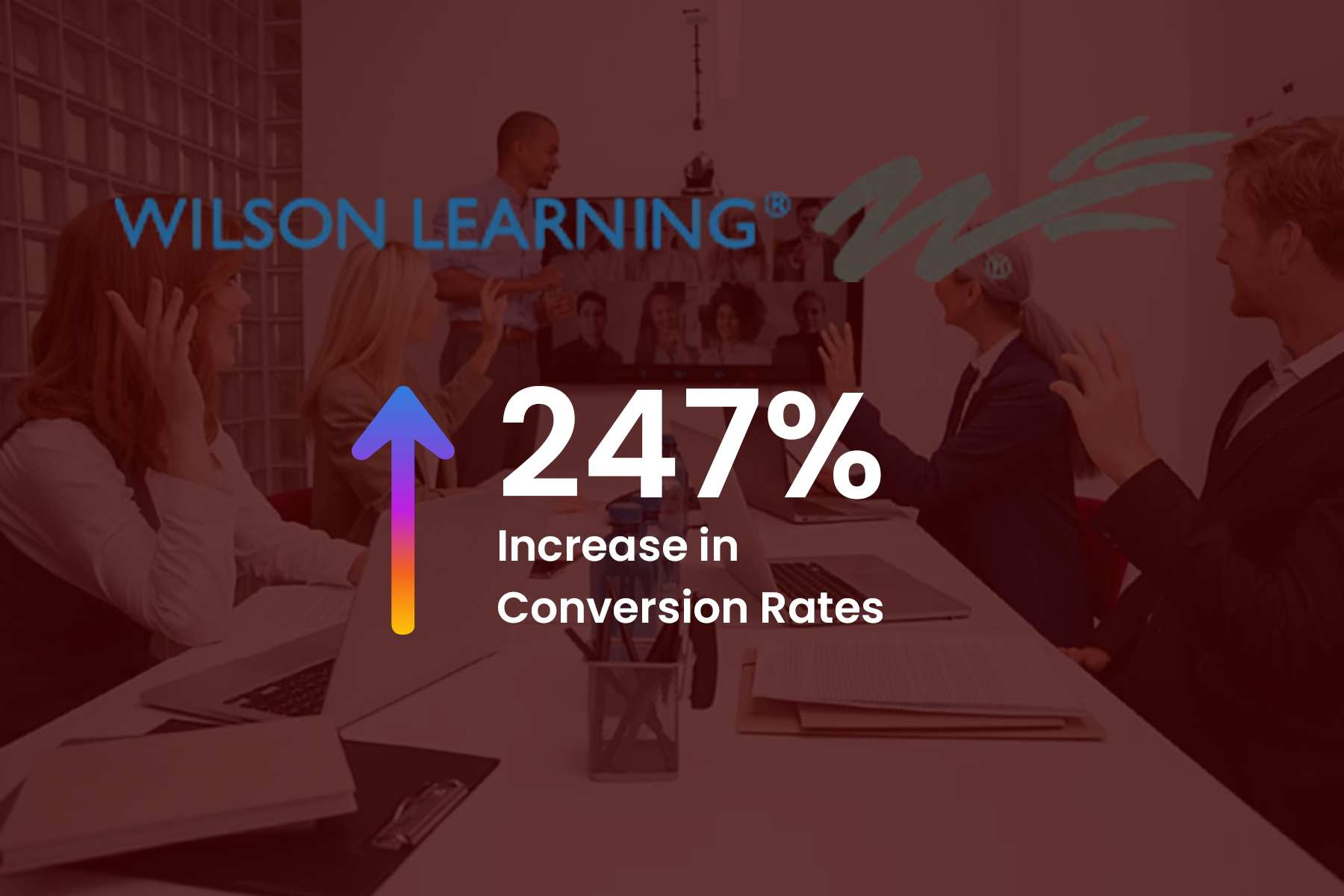
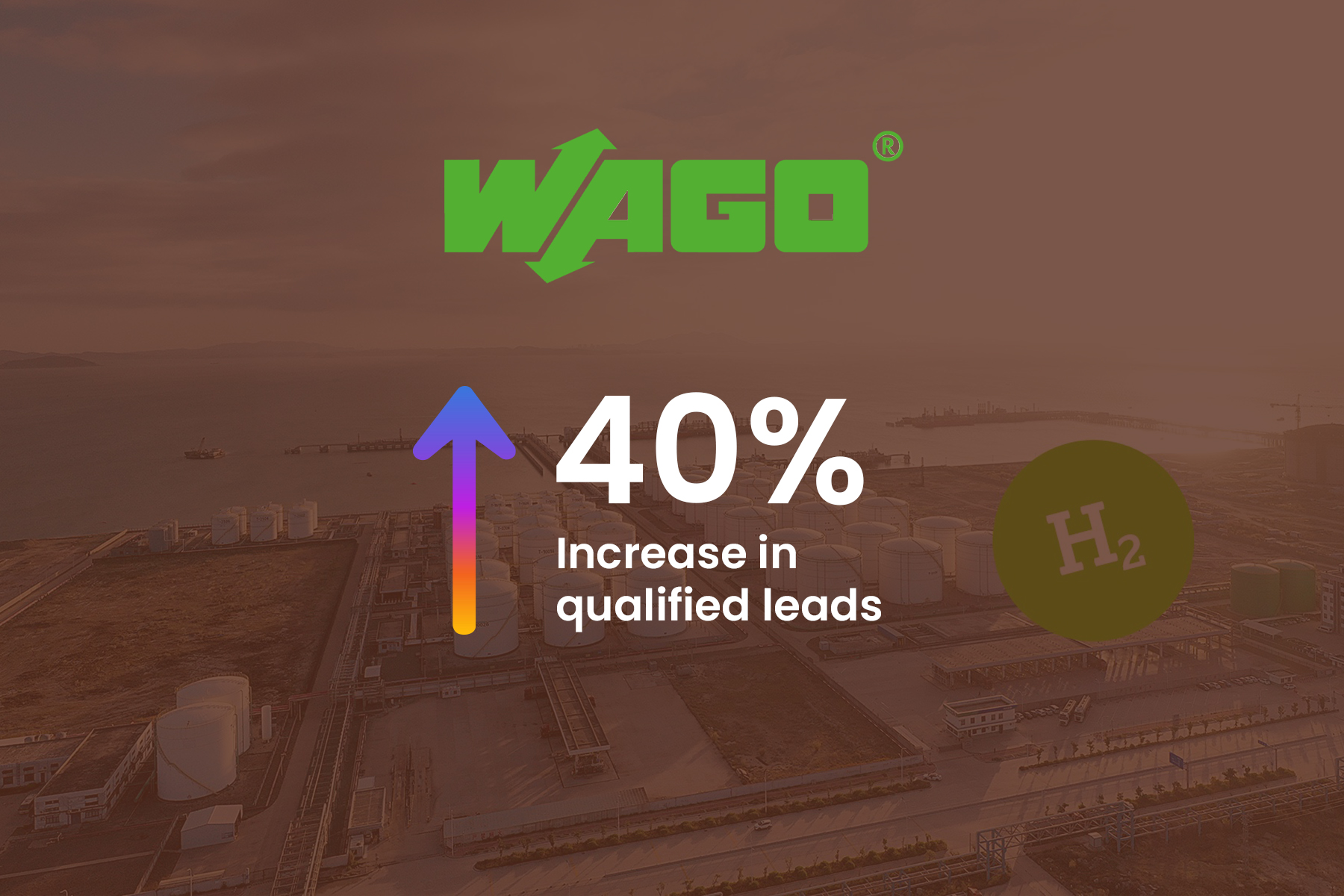
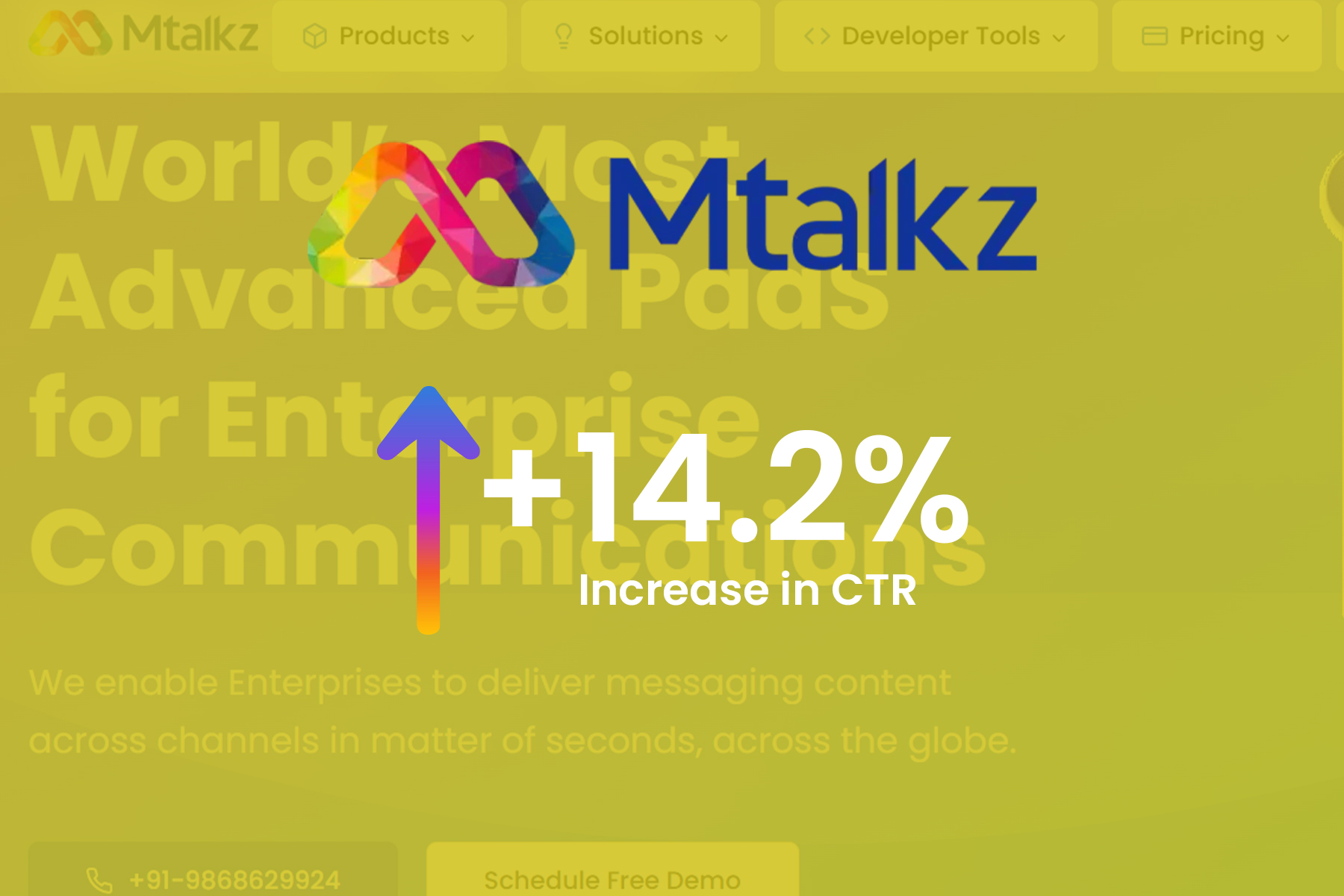
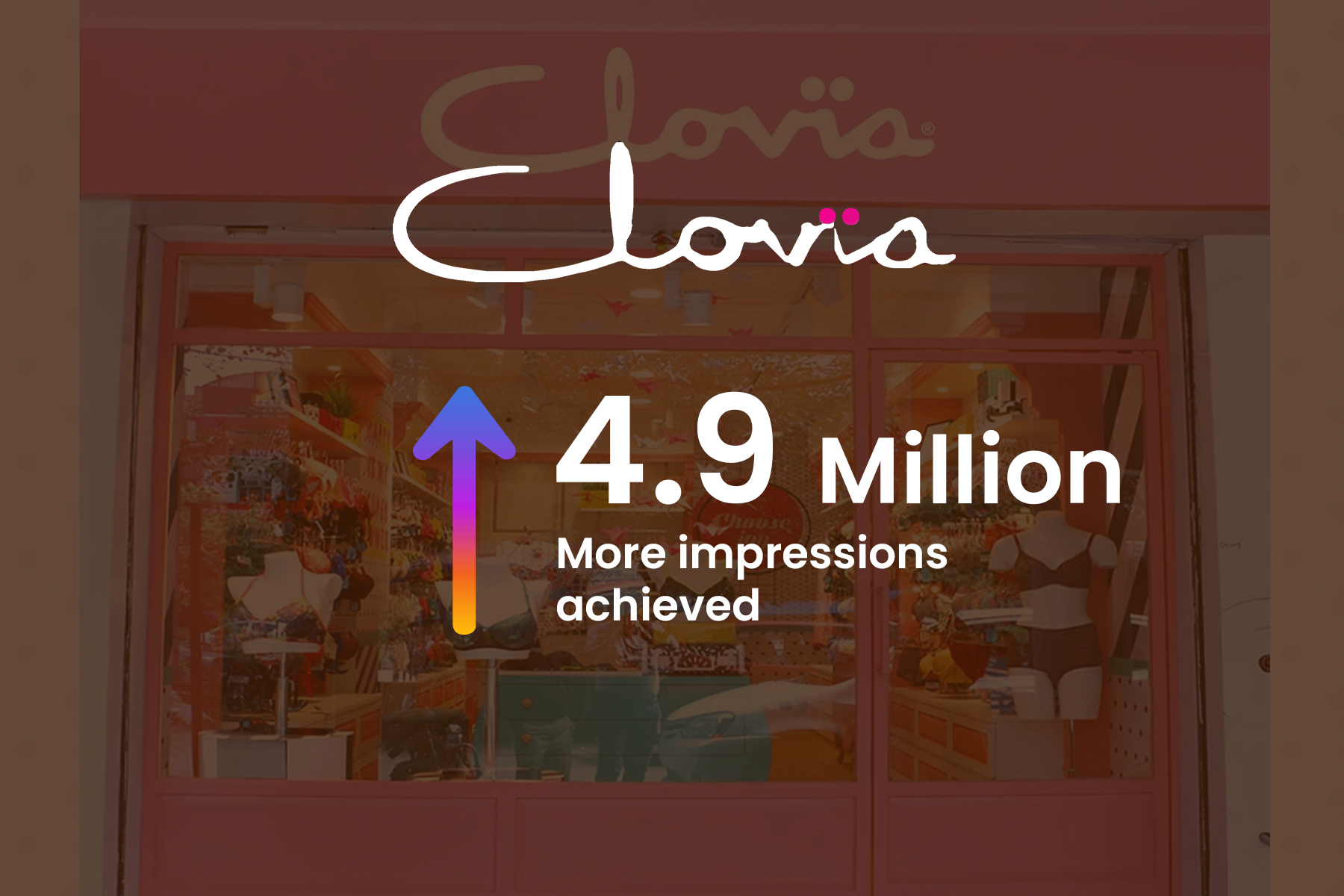
The Growth Stories We’re Proud Of
Recognitions and Achievements in SEO Services





Our Clients Speak

Working with the Tangence team for three years has been a seamless experience. From delivering impressive results to providing invaluable insights. They have done a great job in making our partnership beneficial on levels.

Tangence team, you are doing an amazing job in building our online presence. Really like your positivity, forthcoming attitude and transparency to help build our sustained campaigns. We have a long road to walk together as we innovate our offering for a growing market. Keep it up.

Tangence as a company has consistently demonstrated a commitment to excellence. Their ability to understand our requirements and translate them into innovative solutions has been remarkable. They have consistently gone above and beyond to meet and exceed our expectations, delivering exceptional results on time and within budget.

Our partnership with Tangence has been truly exceptional. Tangence has done an outstanding job in safeguarding our online reputation with unwavering dedication and expertise. Their proactive approach and meticulous attention to detail has greatly contributed to our success in maintaining a positive digital presence.
Tools which we use



Frequently Asked Questions
Technical SEO focuses on optimizing a website’s infrastructure so search engines can efficiently crawl, index, render, and rank its pages. It includes site speed, crawlability, indexation, mobile optimization, and structured data.
Technical SEO improves how a website functions, while on-page SEO focuses on content and keywords. Strong technical SEO ensures search engines can access and evaluate on-page content correctly.
Yes. Every website benefits from technical SEO, especially large, dynamic, ecommerce, and content-heavy websites where crawl and performance issues can limit growth.
A technical SEO audit identifies crawl errors, indexation issues, performance gaps, Core Web Vitals problems, duplicate content, and rendering or mobile usability issues.
Technical SEO removes barriers that prevent search engines from understanding and trusting your website, allowing content and keywords to perform better in search results.
Core Web Vitals measure page speed, interactivity, and visual stability. They are important ranking signals and directly impact user experience, especially on mobile.
Yes. Many traffic drops are caused by technical issues such as indexation errors, performance regressions, or crawl problems. Technical SEO helps identify and fix these issues.
Some fixes show impact within weeks, while larger structural and performance improvements may take a few months to fully reflect in search performance.
No. Technical SEO is ongoing. Websites change frequently, and continuous monitoring is required to prevent regressions and maintain stable performance.
Enterprise websites face crawl budget, scale, and complexity challenges. Technical SEO ensures efficient crawling, stable indexation, and performance at scale.
Technical SEO typically improves UX by making websites faster, more stable, and easier to use. Any recommended changes are aligned with usability and conversions.
Success is measured through improved technical health scores, crawl efficiency, indexation stability, Core Web Vitals, and growth in organic visibility.