-01.svg) SEO Services
SEO Services-02.svg) Local SEO Services
Local SEO Services-03.svg) AI SEO Services
AI SEO Services-04.svg) Technical SEO Services
Technical SEO Services-05.svg) Performance Marketing
Performance Marketing-06.svg) Social Media
Social Media-07.svg) Content Marketing
Content Marketing-08.svg) Web Development
Web Development-09.svg) App Development
App Development-10.svg) Marketing Automation
Marketing Automation-11.svg) Real Estate
Real Estate-12.svg) Ecommerce
Ecommerce-13.svg) Education
Education-14.svg) Healthcare
Healthcare B2B
B2B SAAS
SAAS Law Firm
 BFSI
BFSI Renewable Energy
 Tour and Travel
blog
SEO Analytics & Measurement: How to Track What Really Drives Organic Growth
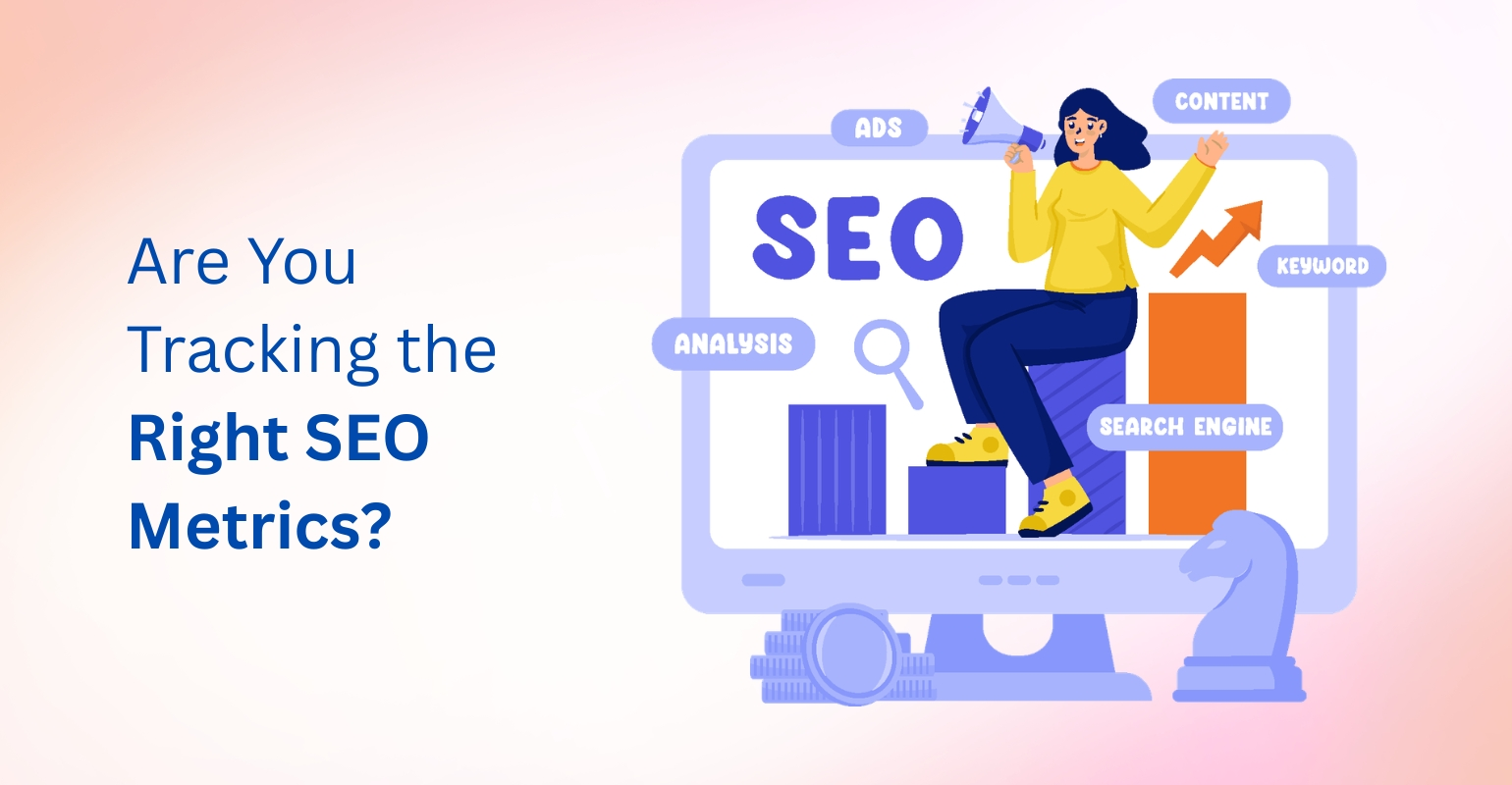
Search engine optimization has evolved far beyond simply ranking for a few keywords. Today, businesses that succeed with SEO rely on data-driven strategies backed by reliable insights. Without proper measurement, it becomes difficult to understand whether your SEO efforts are actually contributing to traffic, leads, or revenue. This is where SEO analytics plays a crucial role.
SEO analytics refers to the process of collecting, analyzing, and interpreting search data to understand how your website performs in search engines. It helps marketers identify which pages drive traffic, which keywords generate visibility, and which strategies lead to meaningful business outcomes.
Many companies make the mistake of focusing only on rankings. However, rankings alone do not reflect the full picture. To truly understand organic growth, businesses must analyze multiple performance indicators such as traffic trends, user engagement, conversion rates, and keyword performance.
With the right approach, organizations can uncover valuable insights about their audience, optimize their content strategy, and continuously improve their search visibility. Tools like Google Analytics, Google Search Console, and professional SEO platforms make it easier than ever to measure performance and refine strategies based on real data.
In this guide, we will explore how SEO analytics works, which metrics matter the most, the tools used by professionals, and how to transform raw data into actionable SEO improvements that drive long-term organic growth.
What Is SEO Analytics?
SEO analytics is the practice of tracking, analyzing, and interpreting data related to a website’s performance in search engines. It helps marketers and businesses understand how users discover their content through organic search and how those visitors interact with the website.
At its core, analytics focuses on answering important questions such as:
- Which keywords are bringing traffic to the website?
- Which pages perform best in search results?
- How do users behave after landing on a page?
- Are SEO efforts generating leads or conversions?.
Google Search Console showing impressions, clicks, and keyword performance data.
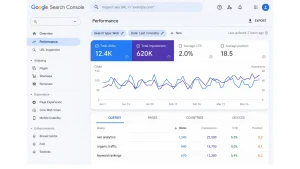
Image Source: Screenshot taken from Google Search Console
Key Components of SEO Analytics
A comprehensive analytics strategy usually includes several key areas:
Keyword performance tracking
Understanding which search terms drive impressions, clicks, and rankings helps identify opportunities for content optimization.
Organic traffic analysis
Tracking how many visitors come from search engines helps measure the effectiveness of your SEO efforts.
User behavior metrics
Metrics such as time on page, bounce rate, and engagement show how valuable your content is to visitors.
Technical SEO monitoring
Analytics tools help detect indexing issues, crawl errors, and performance problems that may affect search rankings.
Conversion tracking
Ultimately, SEO should contribute to business goals such as leads, signups, or purchases.
It is also important to distinguish between related concepts:
- SEO analytics focuses on interpreting search performance data.
- SEO reporting presents that data in structured dashboards or reports.
- SEO auditing evaluates technical and on-page issues affecting rankings.
Why SEO Analytics Matters for Organic Growth
Investing in SEO without measuring performance is similar to running marketing campaigns without tracking results. Analytics provides the insights needed to refine strategies, improve visibility, and maximize return on investment.
Below are some key reasons why SEO analytics is essential for organic growth.
Identifying What Drives Organic Traffic
One of the primary benefits of SEO analytics is understanding what actually attracts visitors from search engines. By analyzing keyword performance and landing pages, businesses can determine which topics and content formats generate the most interest.
For example, a blog post optimized for a high-intent keyword may bring thousands of visitors each month. Analytics helps identify these high-performing assets so they can be further optimized or expanded.
Improving Content Strategy
Content marketing plays a major role in SEO success. With proper analytics, marketers can discover:
- which blog topics generate traffic
- which keywords users search for
- which pages receive the highest engagement
This data allows businesses to build a content strategy aligned with real search demand rather than assumptions.
Tracking SEO ROI
SEO often requires significant investment in content creation, technical optimization, and link building. Analytics makes it possible to measure the return on these efforts by tracking metrics such as:
- leads generated from organic search
- sales attributed to SEO
- conversion rates of organic visitors
Detecting Technical SEO Issues
Analytics tools can highlight issues that may negatively affect search visibility, including:
- indexing errors
- slow page speed
- mobile usability problems
- crawl issues
Identifying and fixing these problems early helps maintain healthy search performance.
Enabling Data-Driven Decisions
Ultimately, analytics transforms guesswork into informed decision-making. Instead of relying on intuition, marketers can use real data to determine what works and what needs improvement.
Key SEO Metrics You Should Track
Successful SEO analytics depends on monitoring the right metrics. While dozens of data points are available, a few core indicators provide the clearest picture of search performance.
| SEO Metric | What It Measures | Why It Matters |
|---|---|---|
| Organic Traffic | Number of visitors from search engines | Shows overall SEO growth |
| Keyword Rankings | Position of keywords in SERPs | Indicates search visibility |
| Click-Through Rate (CTR) | % of users clicking your result | Helps evaluate meta title and description effectiveness |
| Bounce Rate | Users leaving after one page | Signals content relevance and UX quality |
| Conversion Rate | Leads or sales from organic traffic | Measures real SEO ROI |
1. Organic Traffic
Organic traffic represents the number of visitors arriving at your website through search engines.
This metric is usually tracked through platforms such as Google Analytics and provides a direct indication of SEO growth.
Key metrics to monitor include:
- total users from organic search
- number of sessions
- new versus returning visitors
Consistent growth in organic traffic suggests that your SEO strategy is gaining traction.
2. Keyword Rankings
Tracking keyword rankings helps evaluate how well your pages perform in search results.
Monitoring ranking trends allows marketers to:
- identify keywords moving up or down
- evaluate the impact of optimization efforts
- discover new keyword opportunities
Tools such as Ahrefs, SEMrush, and Google Search Console provide detailed keyword performance data.
3. Click-Through Rate (CTR)
Click-through rate measures the percentage of users who click your search result after seeing it in the search engine results page.
A low CTR may indicate that your:
- meta titles
- meta descriptions
- structured snippets
need improvement.
Optimizing these elements can significantly increase organic traffic without changing rankings.
4. User Engagement Metrics
User engagement metrics provide insight into how visitors interact with your website.
Important indicators include:
- bounce rate
- average session duration
- pages per session
- scroll depth
Strong engagement signals that your content aligns with user intent and delivers value.
5. Conversions from Organic Traffic
Traffic alone does not guarantee business success. The most meaningful analytics metric is conversion performance.
Conversions may include:
- form submissions
- product purchases
- newsletter signups
- consultation bookings
By connecting organic traffic to conversions, businesses can measure the real impact of SEO on revenue and growth.
Essential SEO Analytics Tools
To implement effective analytics, marketers rely on specialized tools that collect and visualize search data.
| Tool | Primary Function | Best For |
|---|---|---|
| Google Analytics | Tracks website traffic and user behavior | Understanding organic traffic performance |
| Google Search Console | Shows keyword impressions and indexing data | Search performance insights |
| Ahrefs | Keyword tracking and backlink analysis | Competitive SEO research |
| SEMrush | SEO analytics and competitor analysis | Keyword tracking and audits |
| Looker Studio | SEO reporting dashboards | Data visualization and reporting |
How to Set Up an Effective SEO Analytics Framework
Implementing analytics effectively requires a structured framework. The following steps help ensure that data collection and analysis support meaningful SEO improvements.
Step 1:- Define Clear SEO Goals
Before measuring anything, businesses should define their SEO objectives.
Common goals include:
- increasing organic traffic
- ranking for high-value keywords
- generating leads
- improving website conversions
Clear goals make it easier to determine which metrics matter most.
Step 2:- Set Up Proper Tracking Tools
The next step is configuring essential analytics tools such as:
- Google Analytics
- Google Search Console
- Google Tag Manager
These tools allow businesses to collect data on traffic sources, user behavior, and search performance.
Step 3:- Identify Key Performance Indicators
Instead of tracking every available metric, focus on KPIs aligned with business goals.
Examples include:
- organic traffic growth
- keyword visibility
- conversion rates
- revenue from organic search
Prioritizing the right metrics simplifies analysis and improves decision-making.
Step 4:- Build SEO Performance Dashboards
Dashboards help visualize performance trends over time. A well-structured SEO dashboard may include:
- top performing pages
- keyword ranking trends
- organic traffic growth
- conversion metrics
Looker Studio dashboard used for SEO analytics to track organic traffic trends, sessions, and user engagement data.
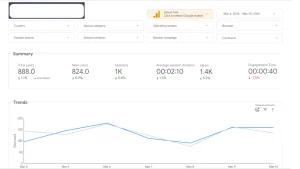
Image Source: Screenshot taken from Looker Studio Dashboard
Step 5:- Conduct Regular SEO Analysis
SEO is an ongoing process. Businesses should review analytics data regularly to identify:
- content opportunities
- ranking improvements
- technical issues
- declining pages that need updates
Consistent monitoring ensures that SEO strategies remain effective.
How to Turn SEO Data into Actionable Insights
Collecting data is only the first step. The real value of lies in transforming data into actionable strategies.
Content Optimization
Analytics can reveal pages with high impressions but low click-through rates. Optimizing titles and descriptions for these pages can significantly increase traffic.
Keyword Expansion
Search query reports often reveal new keyword opportunities that were not initially targeted. These insights help expand content strategies with relevant long-tail keywords.
Technical SEO Improvements
Analytics tools frequently detect crawl issues, indexing problems, or slow pages. Addressing these technical issues can improve both user experience and rankings.
Content Refresh Strategy
Some pages may lose rankings over time due to outdated information. Updating content, improving internal linking, and adding new insights can restore search visibility.
By regularly analyzing SEO data, businesses can continuously refine their strategies and maintain steady organic growth.
Common SEO Analytics Mistakes to Avoid
| Mistake | Why It’s a Problem | Better Approach |
|---|---|---|
| Tracking only rankings | Rankings fluctuate often | Track traffic and conversions |
| Ignoring user behavior | Misses engagement insights | Analyze bounce rate and session time |
| Too many metrics | Causes confusion | Focus on core KPIs |
| No regular reporting | Hard to measure progress | Review SEO analytics monthly |
Conclusion
SEO success is no longer determined solely by rankings. Sustainable organic growth requires a clear understanding of how users discover, interact with, and convert on your website.
This is where SEO analytics becomes indispensable.
By tracking essential metrics such as organic traffic, keyword performance, user engagement, and conversions, businesses can identify what truly drives results. Data-driven insights allow marketers to refine their strategies, optimize content, and improve overall search visibility.
Organizations that consistently analyze and act on SEO data are better positioned to adapt to algorithm changes and evolving search trends.
For businesses looking to implement advanced SEO measurement and growth strategies, working with experienced professionals can make a significant difference. Tangence provides expert SEO services that combine strategic optimization with powerful SEO analytics frameworks, helping brands transform search data into measurable business growth.
With the right analytics approach, companies can move beyond guesswork and build a scalable, long-term SEO strategy.
Frequently Asked Questions
1. What is SEO analytics?
SEO analytics is the process of collecting and analyzing search performance data to understand how a website performs in organic search results.
2. Which tools are commonly used for SEO analytics?
Popular SEO analytics tools include Google Analytics, Google Search Console, Ahrefs, SEMrush, and Looker Studio dashboards.
3. How can SEO analytics improve organic traffic?
By analyzing keyword performance, user behavior, and search trends, SEO analytics helps identify optimization opportunities that increase organic traffic.
4. How often should SEO analytics be reviewed?
Most experts recommend reviewing SEO analytics data monthly to track performance trends and adjust strategies.
5. What metrics matter most in SEO analytics?
Important metrics include organic traffic, keyword rankings, click-through rate, user engagement, and conversions from organic search.
6. Is SEO analytics useful for small businesses?
Yes. Even small businesses benefit from SEO analytics because it helps them understand customer search behavior and improve website visibility.
7. Can SEO analytics help increase conversions?
Yes. By analyzing user behavior and optimizing landing pages, SEO analytics can improve conversion rates and overall marketing performance.